Understanding the Differences Between Augmented Reality and Virtual Reality
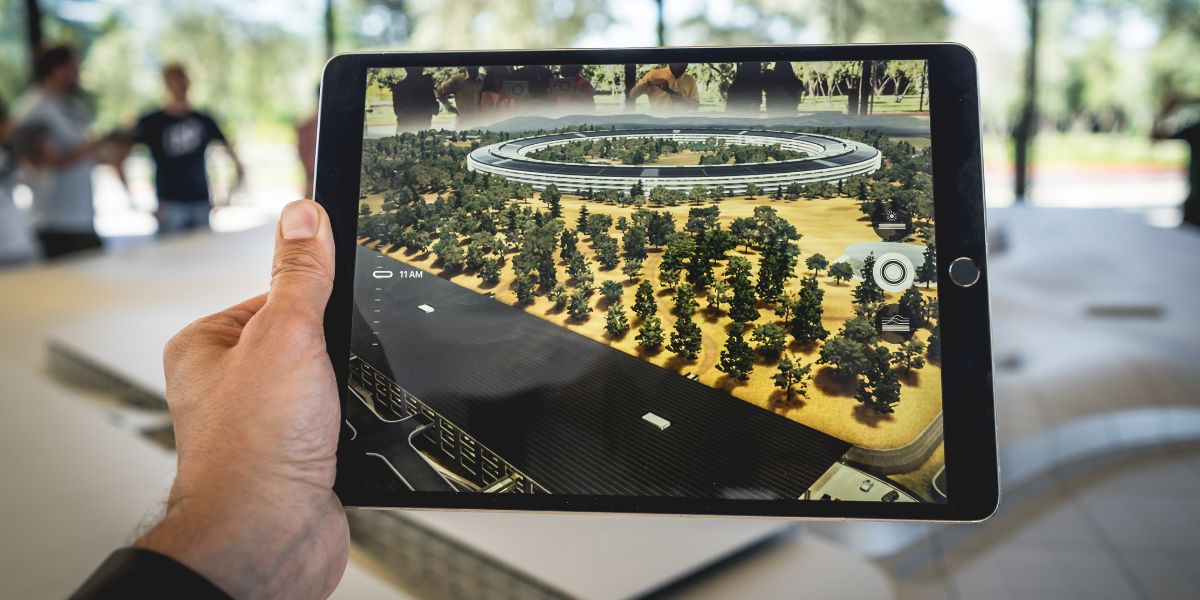
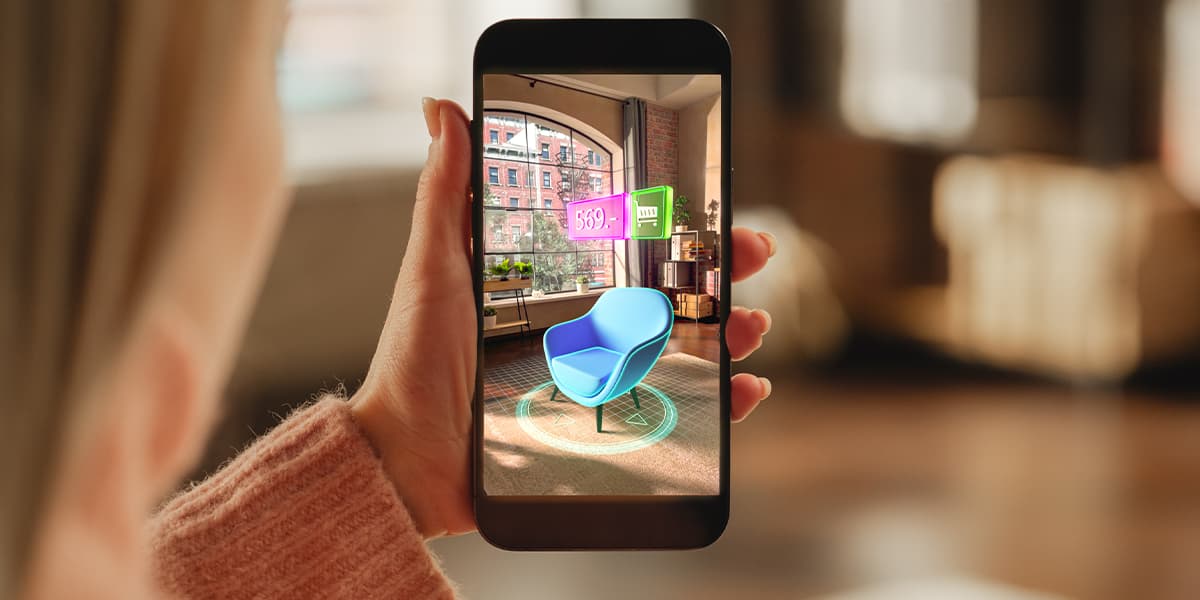
Augmented reality and virtual reality are two popular technologies that are often confused with each other. Augmented reality (AR) overlays digital information onto the real world, enhancing the user's experience of their surroundings. Virtual reality (VR), on the other hand, completely immerses the user in a digital environment, typically through the use of a headset or goggles.
While both AR and VR have their own unique capabilities and applications, it's important to understand the differences between the two technologies. AR is often used for enhancing training simulations, navigation systems, and retail experiences, while VR is commonly used for gaming, entertainment, and virtual tours. By understanding these distinctions, businesses can better leverage the benefits of AR and VR technologies in their operations.
Choosing the Right Technology for Your Business Needs
When deciding between augmented reality and virtual reality technologies for your business, it's important to consider your specific needs and goals. AR may be more suitable for enhancing customer experiences, improving training programs, and increasing productivity, while VR may be better suited for creating immersive gaming experiences, virtual tours, and engaging storytelling.
By carefully evaluating the unique capabilities and applications of both AR and VR, businesses can strategically choose the right technology to meet their objectives and drive innovation in their industry. Whether you're looking to enhance customer engagement, streamline training processes, or create captivating virtual experiences, understanding the differences between AR and VR is key to making informed technology decisions for your business.