

As healthcare organizations navigate the complex landscape of patient care and regulatory compliance, the role of healthcare IT support becomes a critical element in their success. With advancements in healthcare technology, top companies are now leveraging specialized healthcare IT support to enhance the efficiency of their operations, secure sensitive data, and ensure uninterrupted patient care. In this context, support specialists and technicians have a vital role in keeping healthcare systems functional, secure, and aligned with industry regulations.
One of the most significant factors that healthcare providers need to consider is understanding the unique challenges associated with managing healthcare data, maintaining compliance, and integrating technology solutions like cloud migration. Healthcare IT support specialists and technicians help organizations navigate these complexities by providing targeted solutions that align with the needs of healthcare professionals and patients alike.
Why Healthcare IT Support is Essential for the Healthcare Industry
Healthcare IT Support and Its Role in Managing Complex Healthcare Systems
Healthcare IT support is not just about troubleshooting—it’s a comprehensive approach that ensures all technology within a healthcare organization is optimized, compliant, and ready to support critical healthcare services. From maintaining electronic health records (EHR) to managing patient care systems, healthcare IT support is integral to the day-to-day functioning of a healthcare setting. Support specialists, with their subject-matter expertise, play a key role in resolving issues, managing data, and ensuring seamless technology integration.
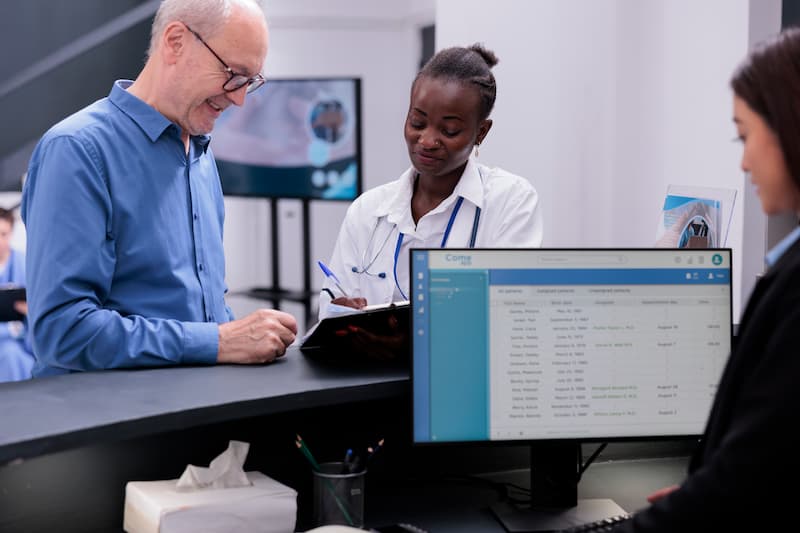
The healthcare industry faces unique challenges when it comes to IT support. For example, managing patient care data in compliance with HIPAA regulations requires a deep understanding of healthcare informatics and data security. Moreover, healthcare IT support professionals must handle a variety of medical devices and software used across different healthcare settings, from emergency rooms to ambulatory surgical centers. Their ability to understand the specific needs of healthcare providers and deliver tailored solutions is what sets healthcare IT support apart from standard IT services.
The Job Description of a Healthcare IT Support Specialist
The job description of a healthcare IT support specialist typically includes responsibilities like troubleshooting technical issues, managing EHR systems, ensuring data security, and supporting healthcare professionals in using healthcare technology effectively. They are also involved in regular IT audits to identify potential vulnerabilities in healthcare systems and implement strategies to mitigate risks.
A healthcare IT support specialist must possess problem-solving skills, knowledge of healthcare informatics, and a solid understanding of the healthcare industry. Their role is often complex, involving direct interaction with end-users, including healthcare professionals, to ensure they can use the technology tools necessary for delivering top-notch patient care. This critical role often extends beyond basic support to include advisory services on technology upgrades and compliance strategies.
Key Components of Healthcare IT Support Services
Technical Support and Help Desk for Healthcare Providers
Healthcare support involves more than just resolving issues—it includes providing a robust help desk service that is available 24/7 to address any technical disruptions that may occur. A healthcare IT support specialist is responsible for troubleshooting problems quickly and efficiently, whether it’s a minor issue like a software update or a major system outage that could impact patient care. The ability to offer quick resolutions ensures that healthcare providers can maintain their focus on delivering quality patient care without technical interruptions.
Help desk services in healthcare settings are designed to support healthcare professionals in navigating complex healthcare technology. This includes assistance with using EHR systems, managing patient portals, and troubleshooting network issues in real-time. Effective technical support minimizes downtime and enhances the overall functionality of healthcare operations.
EHR Management and Compliance in Healthcare Organizations
One of the primary responsibilities of healthcare IT support is the management of EHR systems. EHRs are a cornerstone of modern healthcare as they store comprehensive patient data, streamline clinical workflows, and support effective communication among healthcare providers. Managing these records requires healthcare IT support specialists to ensure that all data is accurate, secure, and accessible only to authorized personnel.
Compliance is another significant component of EHR management. Healthcare organizations must adhere to HIPAA regulations, which govern the protection and confidentiality of patient data. Healthcare IT support ensures that all systems handling patient information are compliant, and any potential breaches are swiftly addressed. This aspect of healthcare IT support is crucial in maintaining the trust and confidence of both patients and healthcare professionals.
Advanced Technologies and Healthcare IT Support
Cloud Migration: Benefits and Challenges in the Healthcare Industry
The migration of healthcare data to cloud platforms has become a standard practice for many healthcare organizations seeking to enhance data accessibility, scalability, and security. Cloud migration allows healthcare providers to store large volumes of data securely while enabling authorized personnel to access it from any location. This flexibility is particularly valuable in settings that use telemedicine and virtual care solutions, as it supports the seamless exchange of information between healthcare providers and patients.

However, cloud migration also comes with its own set of challenges. Healthcare IT support specialists play a critical role in ensuring that the migration process is smooth, secure, and compliant with regulatory standards. They must evaluate cloud solutions based on factors like encryption, access control, and data redundancy to ensure that the chosen platform aligns with the organization’s needs.
Healthcare Informatics and Its Impact on Patient Care
Healthcare informatics involves the application of data analytics to improve patient outcomes, optimize clinical processes, and support evidence-based decision-making. IT support specialists with expertise in healthcare informatics can help healthcare organizations leverage data effectively to enhance patient care. By analyzing trends and patterns in patient data, healthcare IT support teams can identify areas for improvement and implement targeted strategies that result in better patient care.
In addition, healthcare informatics supports the efficient management of healthcare operations, such as order entry and scheduling. Support specialists work closely with healthcare professionals to integrate informatics tools into everyday workflows, ensuring that these solutions are user-friendly and contribute to the overall efficiency of the healthcare setting.
Choosing the Right Healthcare IT Support Partner
What to Look for in a Healthcare IT Support Agreement
When selecting a healthcare IT support provider, healthcare organizations should evaluate potential partners based on their experience in the healthcare industry and their familiarity with healthcare-specific regulations like HIPAA. The support team should have subject-matter expertise in managing EHR systems, securing healthcare data, and providing comprehensive support for medical devices.
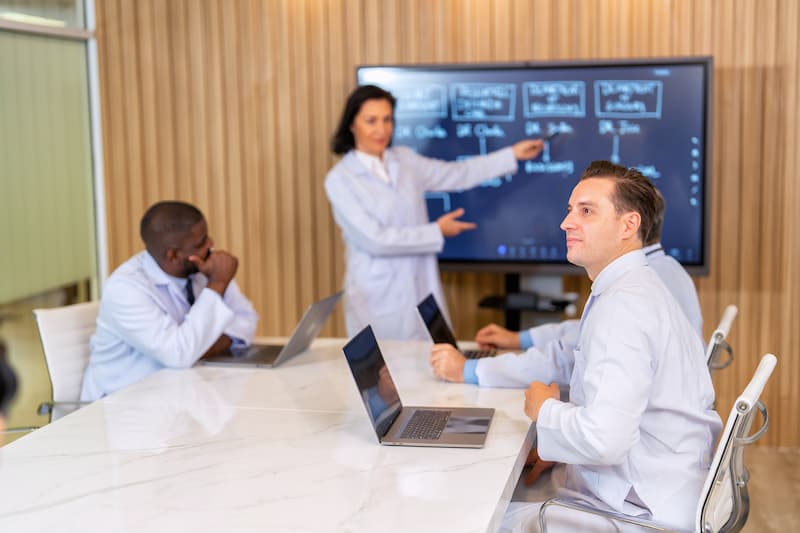
It is essential to review the details of the support agreement, including the scope of services, maintenance provisions, and end-of-lease options if the organization is considering a lease for its IT infrastructure. Some providers also offer managed print services, which can further optimize document management and reduce costs.
Managed Print Services and Healthcare IT Support
Managed print services are a specialized offering within healthcare IT support that focuses on optimizing print infrastructure and document workflows. In healthcare settings, where the volume of printed documents can be substantial, managing print resources efficiently is crucial. Healthcare IT support specialists can implement print management solutions that reduce waste, enhance document security, and streamline printing processes.
Managed print services are especially beneficial for medium and large healthcare organizations that require robust document handling capabilities. By integrating these services into their overall IT support strategy, healthcare organizations can achieve greater operational efficiency and cost savings.
Frequently Asked Questions (FAQs) About Healthcare IT Support
Healthcare IT support is a vital component of the healthcare industry, providing essential services that enable healthcare organizations to deliver high-quality patient care. From managing complex EHR systems to ensuring data security and supporting cloud migration, healthcare IT support specialists and technicians play a critical role in maintaining the functionality and compliance of healthcare technology. As healthcare continues to evolve, partnering with the right healthcare IT support provider will be key to achieving operational excellence and improving patient outcomes.